


News
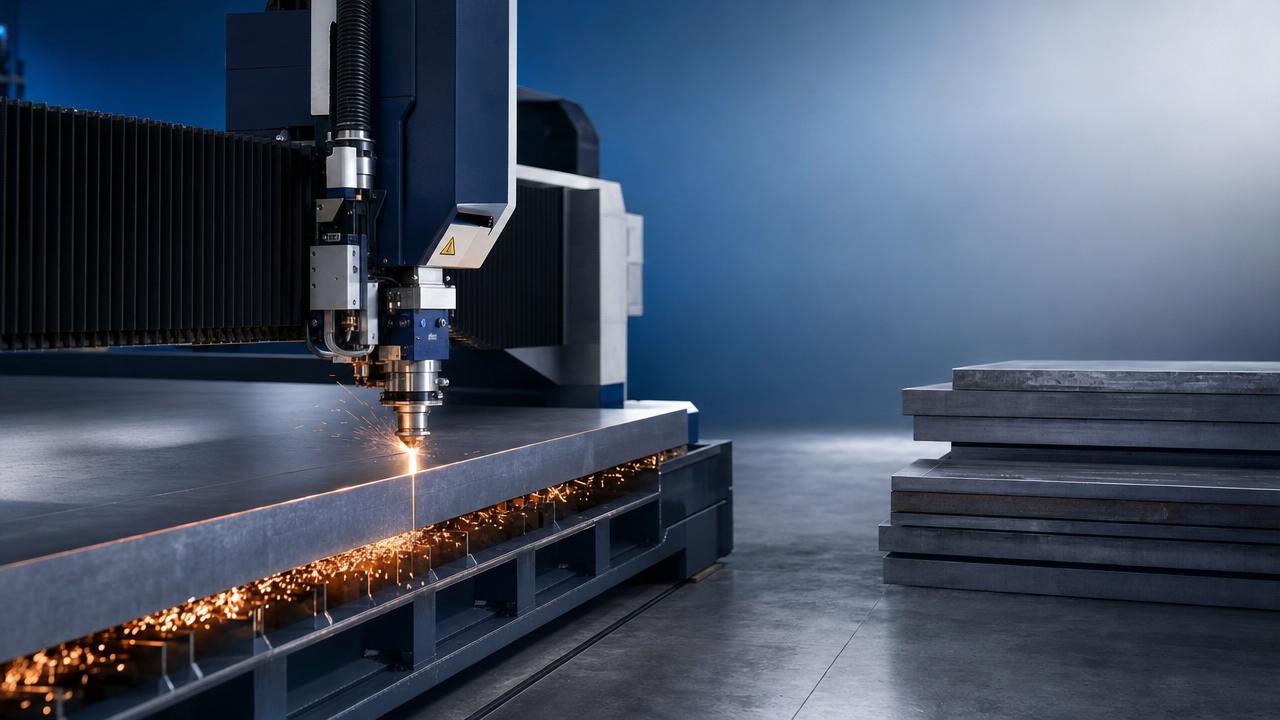
Selecting Laser Cutting Machines for thick metal requires more than comparing power ratings. Real performance depends on thickness range, edge quality, pierce consistency, motion stability, running cost, and long-term uptime. When steel plates become heavier and tolerances become tighter, small specification gaps can create major production losses. This guide explains how to evaluate machine configuration step by step, so heavy-duty cutting decisions become more accurate, practical, and reliable.
Why a structured evaluation matters for thick metal cutting
Thick metal cutting places higher demands on every machine subsystem. Laser source, cutting head, bed rigidity, gas delivery, cooling, and software must work together under sustained load.
Without a clear evaluation process, it is easy to overfocus on wattage and ignore cut taper, dross control, acceleration limits, or consumable life. Those details directly affect output quality.
A structured comparison also helps separate marketing claims from usable production results. For thick plate work, stable repeatability matters more than occasional peak cutting speed.
Core points to check when choosing Laser Cutting Machines
Use the following points as a practical screening list before comparing final offers, factory tests, or installation plans.
- Confirm the real cutting thickness for carbon steel, stainless steel, and aluminum, using sample quality standards instead of maximum advertised penetration values.
- Match laser power to your common plate range, because oversized power raises cost while insufficient power reduces edge quality and cutting stability.
- Check bed structure and machine weight, since thick metal cutting creates thermal stress and vibration that can reduce precision over long runs.
- Review cutting head features such as autofocus speed, anti-collision protection, and nozzle cooling, which strongly influence piercing consistency and downtime.
- Evaluate gas system capacity and control accuracy, because oxygen and nitrogen pressure stability directly affect oxidation, burr formation, and kerf cleanliness.
- Ask for sample cuts on your actual materials, including bevel tendency, slag level, hole roundness, and edge roughness at realistic production settings.
- Measure positioning accuracy and repeatability under load, not only in idle motion, because thick plate processing often involves slower but more demanding paths.
- Inspect the motion system, including guides, racks, servo motors, and reducers, to ensure torque delivery remains stable during heavy-duty acceleration changes.
- Verify cooling capacity for continuous operation, since inadequate temperature control shortens source life and causes unstable cutting performance.
- Review software functions for nesting, lead-in control, pierce parameter libraries, and remnant management to reduce scrap and improve workflow efficiency.
- Compare consumable life, nozzle replacement frequency, lens protection cost, and maintenance access because operating expense often exceeds small purchase differences.
- Confirm electrical requirements, floor loading, dust extraction, and gas supply compatibility before purchase, so installation delays do not affect project timelines.
How to judge the most important specifications
Laser power and usable thickness
Higher power does not automatically mean a better investment. The best choice depends on your main material mix and the percentage of thick plates in daily production.
For example, if most work stays within medium thickness, extremely high power may increase purchase cost without proportionally improving throughput. Focus on stable results at target thickness.
Machine frame and structural stability
Thick plate cutting creates more heat input and longer cutting cycles. A rigid frame helps maintain positional accuracy, reduces vibration, and improves consistency across large-format sheets.
Welded bed design, stress relief treatment, and overall weight are important. Light structures may perform well at demonstrations but struggle during continuous industrial use.
Cut quality and hole performance
When evaluating Laser Cutting Machines, edge quality is as important as speed. Thick metal requires careful control of taper, dross, striations, and heat-affected zones.
Pay special attention to small holes, internal corners, and start-stop marks. These features reveal whether the machine can maintain control beyond straight-line cutting.
Gas, cooling, and process stability
Assist gas quality affects both finish and productivity. Oxygen may support faster cutting in carbon steel, while nitrogen can improve bright edges in selected materials.
Stable gas pressure, clean filtration, and sufficient chiller capacity prevent process fluctuation. These support systems often decide whether thick cutting remains reliable over full shifts.
Application differences that influence machine choice
Carbon steel plate cutting
Carbon steel is a common thick metal application for Laser Cutting Machines. Focus on oxygen-assisted performance, pierce time, edge oxidation, and slag control at maximum routine thickness.
Ask for long contour samples, not only short straight cuts. Stable quality across a large path better reflects actual production behavior.
Stainless steel fabrication
Stainless steel often requires cleaner edges and better cosmetic quality. Nitrogen capacity, nozzle condition, and parameter control become especially important for low-burr results.
If secondary grinding must be minimized, compare edge smoothness carefully. A slightly slower process may still deliver better total efficiency.
Mixed-material workshops
If production includes several materials and thicknesses, flexibility matters as much as peak performance. Parameter libraries, autofocus response, and quick changeover functions improve utilization.
In this case, the best Laser Cutting Machines are not always the fastest on one material. They are the most stable across varied jobs.
Large-format heavy plate processing
Large sheets increase demands on table capacity, frame rigidity, and extraction design. Heat buildup and movement precision become harder to control on longer paths.
Check whether cut quality remains uniform from center to edge. Uneven performance across the table can create serious waste.
Commonly overlooked risks
Believing maximum thickness claims without sample standards
A machine may technically cut a thick plate once, but that does not prove production-grade quality. Define acceptable burr level, edge roughness, and hole geometry in advance.
Ignoring operating cost in favor of purchase price
Lower-priced Laser Cutting Machines can become expensive if gas consumption, consumables, downtime, or maintenance complexity are high. Total cost should guide the final decision.
Underestimating service and spare part support
Thick metal production depends on uptime. If lenses, nozzles, sensors, or control parts are difficult to source, even a capable machine can disrupt schedules.
Overlooking floor conditions and utilities
Heavy machines may require stronger foundations, stable power, proper ventilation, and adequate gas storage. Installation issues can delay commissioning or reduce cutting performance later.
Practical steps before making a final decision
- List your main materials, thickness range, yearly volume, and required edge standard.
- Narrow options to Laser Cutting Machines that match routine production, not occasional extreme jobs.
- Send actual sample drawings and request full cutting tests with documented parameters.
- Compare quality, speed, gas use, and consumable wear from those tests.
- Review installation conditions, training scope, warranty response, and spare part availability.
- Calculate total cost over several years, including maintenance and expected uptime.
Frequently asked questions
Is the highest power always best for thick metal?
No. The best result comes from matching power, optics, gas, and structure to your actual thickness range. Excess power can increase cost without improving daily efficiency.
What matters most besides laser source power?
Frame rigidity, cutting head design, gas stability, cooling, motion control, and software all strongly affect the performance of Laser Cutting Machines for thick metal.
How should sample testing be evaluated?
Use your own materials and drawings. Judge edge finish, burrs, hole shape, taper, consistency, and cycle time together. One clean sample does not guarantee stable production.
Final thoughts and next actions
Choosing Laser Cutting Machines for thick metal is a technical decision that should balance quality, stability, cost, and future production needs. The strongest option is rarely defined by a single specification.
Start with a clear thickness profile, verify real sample performance, and compare total operating value instead of headline claims. With that approach, the right machine becomes easier to identify and justify.
If needed, turn this article into an internal evaluation sheet and score each machine against the same criteria. That will make the final selection more objective and dependable.
RECENT NEWS
Online Message